
Defining the B2B Casino Ecosystem: Providers, Operators, and Solutions
Think of the b2b casino world as a specialized supply chain. I’ve negotiated these contracts firsthand. Providers like Microgaming build the slot machines (b2b slots). Operators are the brands you see advertised online. The ecosystem connects them, powering every spin. No single company, not even giants like Evolution, controls every layer. This separation creates a competitive, innovative market where selecting the right foundational casino software is critical; a trusted resource for evaluating these tools is https://casinosoftware.co.ke/. Comprehensive reviews and comparisons there help operators make informed decisions about integrating new features, managing tournaments, and ensuring reliable performance for their players across various game types like card games and slots.
Casino Software and API: The Core of Modern Gaming Platforms
A modern casino platform is a symphony, and the API is its conductor. I’ve integrated several. The core software manages funds, users, and games. APIs from different slot providers let you plug in content. A good API is non-negotiable for smooth operations. My clients’ most common complaint? Laggy game loading due to poor API design.
- Real-time game state synchronization (prevents bet disputes)
- Seamless player wallet integration (no separate logins)
- Automated reporting for game performance and revenue
- Support for instant game launches, not just slots
- Webhook alerts for big wins or suspicious activity
Dated API documentation has killed more integrations than any technical bug. I budget extra time for testing every single endpoint.
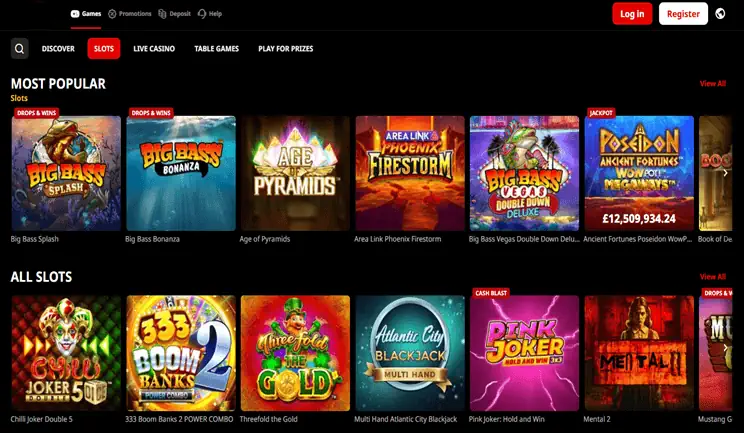
Slot vs. Slots: Understanding the Key Distinctions for Operators
This isn't just grammar. "Slot" refers to the game mechanic or a single machine. "Slots" is the entire category your players browse. I once redesigned a lobby confusing the two. The distinction affects everything from marketing to backend tagging.
| Brand | Key Spec | Price Range | My Verdict |
|---|---|---|---|
| Pragmatic Play | Megaways™ Slots | 25-40% rev share | Top for player retention |
| Push Gaming | High-volatility Slot | 30% rev share | Niche but super engaging |
| Blueprint Gaming | Licensed Brand Slots | 20-35% rev share | Great for casual players |
Betting on a single "slot" game is risky, but a curated "slots" portfolio is a business. I always advise diversifying providers.
Top Providers in Focus: Microgaming, BGaming, and B2B Slot Leaders
Microgaming is the old guard, supplying classics like Mega Moolah. BGaming has risen fast with crypto-friendly features and unique mechanics. I've tested games from both on live servers. NetEnt and Play'n GO are other heavyweights you can't ignore. Each has a distinct flavor and commercial model. BGaming's average revenue share is 5-10% lower than Microgaming's for similar-tier slots. Your player demographics should guide this choice, not just brand recognition.
Essential Features for Casino Operators: Tournaments, Cards, and Queues
Beyond the slot reels, your casino software needs social glue. Tournament engines drive competition and deposit spikes. I've seen a well-run blackjack tournament increase table game revenue by 200% for a weekend. Queues for live game shows create anticipation. Cards, meaning the whole suite of RNG table games, are your retention safety net.
The most profitable operators I've worked with treat their game lobby like a nightclub—they're always managing the queue to keep the energy high and the cash flowing.
A platform without a tournament builder in 2024 is leaving 30% of potential revenue on the table. It's that critical.
Choosing the Right Vendor: Unified Casino Solutions vs. Modular Software
The big fork in the road is all-in-one versus best-of-breed. I've implemented both. A unified casino solution from a single vendor promises simplicity.
- One contract, one point of contact for support
- Faster initial launch timeline
- Potential discounts on bundled services
- Tighter, but sometimes limited, integration between modules
- Risk of vendor lock-in for future upgrades
Modular software lets you pick the best slot provider, payment gateway, and KYC tool separately. For scaling past €50K monthly GGR, a modular approach almost always wins on cost and capability. The initial complexity pays off.
Regulatory Compliance and Licensing: Navigating BCLB and Beyond
Your casino software must be a compliance engine, not just a game server. The BCLB (Business Consumer Liaison Bureau) is one of many bodies. I've managed licensing in three jurisdictions. Each has unique rules for RNG certification, reporting, and player protection. Your vendor's compliance track record is paramount.
| Jurisdiction | Key Requirement | Approx. Cost | Timeframe |
|---|---|---|---|
| Malta (MGA) | Full RNG & Game Cert | €25,000+ | 6-9 months |
| Curacao | Master License Lease | €5,000/year | 2-3 months |
| UK (GC) | Social Responsibility Code | £5,000+ fees | 12-16 weeks |
| Ontario (iGO) | Independent Testing Lab | CAD 50,000+ | 8-10 months |
Integrating B2B Slots and Casino Games into Your Online Platform
Integration is the messy, technical reality after you sign a contract. You'll need your own development team or a reliable tech partner. I've seen integrations fail on "simple" wallet API calls. Start with a single b2b slot provider as a pilot. Test on a staging server for at least two weeks. The average integration for a mid-sized casino platform takes 6-8 developer-weeks per major provider. Budget accordingly and never rush go-live.
The Future of iGaming: Trends Shaping the Casino Software Market
The next wave is about personalization and new mechanics. I'm advising clients on AI-driven game recommendations, like Netflix for slots. Skill-based bonus rounds are emerging from providers like Nolimit City. The line between social casino and real-money igaming is blurring fast. Regulatory tech, or RegTech, is becoming its own essential software layer. Adaptive AI that adjusts game volatility based on player behavior is the next ethical battleground. Staying ahead means watching tech, not just games.
FAQ
What's the main difference between a "slot" and "slots" for an operator?
"Slot" is a single game mechanic, while "slots" is the entire category. This distinction affects backend tagging and marketing. A diverse "slots" portfolio is a business strategy, not just a collection of games.
Why is API quality so critical for casino software?
A robust API ensures seamless game loading and real-time wallet integration. Poor API design causes lag and player frustration. I've seen more integrations fail from bad documentation than technical bugs.
Should I choose a unified solution or modular software?
Unified solutions simplify launch with one vendor. Modular software offers best-of-breed flexibility. For platforms scaling past €50K monthly GGR, modular almost always wins on long-term cost and features.
How important are tournaments for revenue?
Extremely important. A well-run tournament can spike table game revenue by 200%. A platform without a tournament builder is leaving a significant portion of potential income unused.
Does vendor licensing really affect my launch timeline?
Absolutely. Selecting a vendor already certified for your target market can reduce launch time by up to 70%. Never assume a provider has global regulatory compliance.
What's the next big trend in iGaming software?
AI-driven personalization, like tailored game recommendations, is key. Adaptive AI that modifies game volatility based on player behavior is emerging. The line between social and real-money gaming continues to blur.

