

Canadian players comparing candy-themed slots often want more than bright graphics: they need to understand how the game pays, which features shape the experience and what may differ between operators using CAD accounts. The original sweet bonanza game is a useful example because it combines cluster-style wins, tumbling symbols and a bonus round with multipliers. Examining those mechanics first makes it easier to compare similar titles without confusing different versions, settings or casino-specific options.
Start with the way wins are formed
The original slot uses a 6×5 grid containing 30 visible symbol positions. It does not rely on conventional paylines running across rows or diagonals. Instead, a win is created when at least eight matching symbols appear anywhere on the grid. This Pay Anywhere structure means that position matters less than the number of identical symbols present after a spin.
Regular symbols include fruit such as bananas, grapes, watermelon, plums and apples, alongside higher-value sweets. Eight or nine matching symbols produce the lowest qualifying combination, while 10 or 11 matches pay more and 12 or more can create a larger award. Several different symbol groups may qualify during one result, with their values combined before the next stage begins.
This makes the game type distinct from a traditional line slot, even though both use reels or grid positions. Players comparing options in CAD should look at the paytable rather than judging a title by its theme. The number of matching symbols required, the available stake denominations and the displayed RTP can all affect how a game feels. The in-game information panel is the appropriate place to check the specific version loaded by an operator.
Watch how tumbling changes one spin
After a winning combination is paid, those symbols disappear from the grid. The remaining symbols fall into the empty spaces, and new symbols enter from above. If the new arrangement produces another qualifying combination, it is paid as part of the same initial spin. This process repeats until a tumble produces no further win.
Tumbling creates a chain of separate results within one paid spin, but it does not guarantee that every spin will continue. A first win may be followed by another combination, or the grid may stop immediately. The mechanic can make the action appear more eventful than a single settled reel result, yet it does not change the underlying uncertainty of each outcome.
When comparing this format with cascading or cluster slots, check whether the operator uses the same terminology for a different mechanic. Some games remove symbols by matching groups, while others use fixed paylines or expanding reels. A clear comparison should cover the grid size, qualifying pattern, number of symbols needed and whether wins are evaluated again after removal. Those details are more useful than choosing solely by artwork or sound.
Separate the base game from the bonus round
The lollipop is the Scatter symbol and can land anywhere on the grid. Four or more Scatters trigger the built-in Free Spins feature, while four, five or six Scatters can also award a direct Scatter payout under the original rules. The bonus normally begins with 10 free spins, and three or more additional Scatters during the feature award five extra spins.
Multiplier bombs appear during Free Spins rather than in the ordinary base game. Each bomb carries a random value from 2x to 100x. Bombs remain in place until the current tumble sequence ends; their values are then added together and applied to that sequence’s tumble win. This is different from a simple symbol multiplier that affects one individual matching symbol.
It is also important to distinguish the built-in feature from promotional free spins supplied by a casino. A promotion may impose expiry dates, wagering conditions, maximum-bet rules or restrictions on which games contribute towards a requirement. Those conditions belong to the operator’s offer, not to the slot’s standard rules. Before using a CAD account, read both the game information screen and the promotion terms separately.

Compare versions before choosing a title
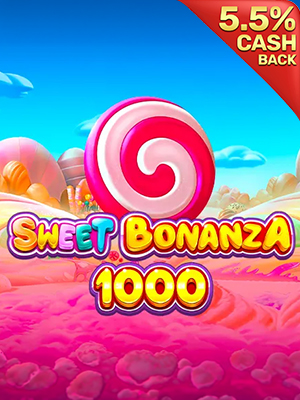
The original release should not be treated as interchangeable with later titles carrying similar wording. Sweet Bonanza 1000, Sweet Bonanza Super Scatter, Sweet Bonanza 2500, Sweet Bonanza Xmas and Sweet Bonanza POP are separate games. They may retain candy imagery or familiar terminology while changing the grid, bonus mechanics, volatility, multipliers or maximum-win presentation.
A sensible comparison begins with the exact title shown in the casino lobby. Open the information panel and note the provider, game name, RTP configuration, minimum and maximum stake, bonus features and any optional modes. If the lobby description and the game screen appear to conflict, the loaded game’s rules are the more relevant reference for that session.
Optional features also need careful comparison. An Ante Bet or Double Chance-style option may increase the stake by 25% and add more Scatter symbols, thereby improving the stated chance of triggering Free Spins naturally. In the documented version, it disables the Bonus Buy feature. Where permitted, Bonus Buy may cost 100 times the selected base bet, but operators or local rules can disable it. Never assume these options exist simply because they appear in another version.
Read CAD details without mistaking them for game rules
A casino accepting CAD may display stakes in Canadian dollars, but the currency is controlled by the operator rather than the slot developer. One site may offer a wider range of CAD denominations than another, and the available minimum stake can differ. Published versions commonly start around 0.20 currency units per spin, but that should not be treated as a universal Canadian minimum.
The same caution applies to RTP. Provider material has listed configurations around 96.48% to 96.51% for the original game, while a casino may enable a different configuration. The displayed figure is not a promise of a particular short-term return, and a few demonstration spins cannot establish volatility or predict future results. Check the game’s information screen before staking funds.
Account controls are also separate from game design. Deposit limits, session reminders, cooling-off periods and self-exclusion are managed by the casino and may depend on the province and operator. For general Canadian information about gambling-related support and safer play, consult Canada’s responsible gambling information. If a feature, stake, Bonus Buy option or control is not visible, check the operator’s stated requirements rather than assuming it is available in every CAD account.
Questions Canadian players often ask
Is the original slot the same as Sweet Bonanza 1000?
No. They are separate titles, even though they share candy-themed imagery and related naming. Their grids, bonus features, RTP settings, volatility and maximum-win figures may differ. Always confirm the complete title and read its own information panel before comparing a game seen at one Canadian-facing operator with another.
Does using CAD change the game’s mechanics?
CAD normally changes the account currency and available stake denominations, not the core grid, tumble process or Scatter rules. However, the casino can select a particular game configuration and may disable features such as Bonus Buy or Ante Bet. The loaded game’s paytable and information screen provide the relevant details.
Are promotional free spins the same as the game’s Free Spins?
No. The built-in feature is triggered by Scatters and follows the slot’s standard rules, including extra spins and multiplier bombs. Promotional free spins are supplied under a casino offer and may carry wagering, expiry, maximum-bet or contribution conditions. Read the promotion terms separately before accepting or using them.

